The lighting in this performance is very successful in my opinion. By using a warmer toned lights on the dancer and then cooler toned lights on the musicians in the back, you are focusing the attention on the dancer but not placing the others in the dark. This idea flows by having the purple flood light only being in the area where the dancer is moving. I also find that the lighting works very well with both parties outfits and bring out the details of each costume design elegantly.
Monday, April 6, 2020
Selective Focus
In this image, two actresses are hidden by dark blue lighting while the other actresses are cast in white light. Our eyes are naturally drawn to light, so by casting white light on stage it automatically signals the audience members to pay attention. The dark blue light helps the other actresses blend into the background and signals viewers that they are not the focus of the scene.
Source
Selective Focus - West Side Story
This photo is from a Broadway production of West Side Story. The lights are dim around the ensemble cast in this scene, drawing attention to the couple in the spotlight. The audience can see the ensemble clearly enough to notice their attention is focused on the couple in the middle, further directing their attention to the center. The use of spotlight works well to create drama and focus on the main dancers in this scene. It is a bright, white light that is sharp and focused, clearly directing the audience's attention.
Source
Thursday, April 2, 2020
Single Beam Mood Lighting

This lighting is a good example of the dramatic way direction can have an impact on size and shape. These things can also impact on what an audience feels about the character and the moment in the show. By having one beam of light come from above the character appears smaller and also creates an incredible shadow, drawing in the audiences attention. This impacts the mood in a variety of ways and peaks the audiences interest.
Happy Lighting

This photo is a really interesting example of how color can impact mood. By using pinks, oranges and softer tones to display a sunset the lighting here is communicating to the audience a general joyful and happy tone. The various colors and layers to the lighting make sure that there is not one feeling commanding the stage and the audience is able to view a variety of colors, and feelings. Overall this lighting design helps the audience to feel a sense of joy that is neither overwhelming or draws away from the focus of the show.
Mystical Lighting

This photo is a great example of the way the texture of lighting can impact shape and the look of a space. The color allows for a mystical tone and gobos/texture lead to an interesting creation of shape for both the actress and the set. By adding shadows into the scene but also highlighting the actress the focus is obvious and yet the audiences attention is captured. The presence of shadows forces the audience to look closer and gives the set a mystical feel.
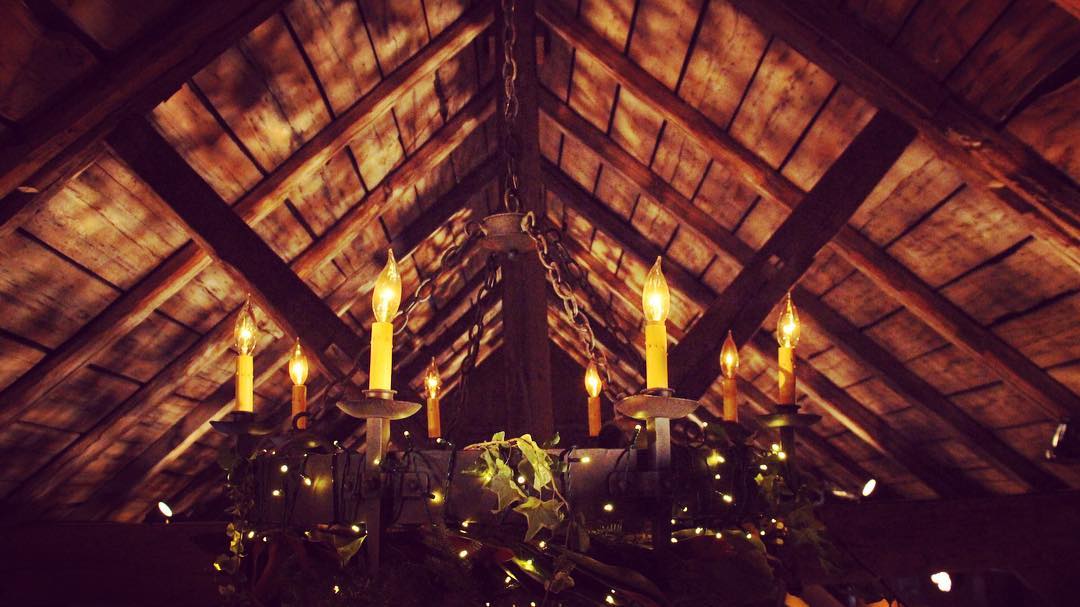
Chandelier

I love this photo of really textured lighting because of how dramatic it is. First, the use of nontraditional lights allows for their to be a softer, yellower color and gives the viewer a sense of what the lighting is trying to communicate. Then the texture adds another layer to this by giving the light a naturally filtered look. This type of lighting lets the audience know that something important is occurring. By not giving any specific focus, the audience is drawn closer and forced to pay attention. Overall, this is lighting does well to create a tone and capture the audiences attention.
Subscribe to:
Posts (Atom)